


Thank you for your enquiry
We'll be in touch about the piece you're interested in within one working day.
Thank you for your enquiry
We'll be in touch within two working days about finding you a similar piece.






We'll be in touch about the piece you're interested in within one working day.
We'll be in touch within two working days about finding you a similar piece.
International delivery. We ship worldwide using trusted freight partners, arranged per order depending on destination, size and service level. Most international delivery needs a custom quote and is charged at cost. You can check out without delivery and we will send you a tailored quote, then a link to pay online.
Orders delivered outside the United Kingdom are charged excluding UK tax. Local duties and taxes may apply on import.
For a quote, contact us with your full address and the product code of the piece you are interested in. Call +44 1672 564722 or email enquiries@indigo-uk.com.
Returns. We do not accept change-of-mind returns on international orders, so please ask us for extra photographs, measurements or a WhatsApp video viewing before you buy. Your rights if a piece arrives damaged, is faulty or is not as described are not affected.
Indigo Antiques is a family business, founded in the mid-1970s by Richard and Marion Lightbown and now run with their son, Tom. For more than forty years we have travelled through India, China, Tibet, Mongolia and Japan, bringing home the pieces we fall in love with.
Every piece is hand-restored in our Wiltshire workshops, then shown in our 13,000 sq ft showroom and warehouse near Pewsey, a converted dairy barn with a history as rich as the antiques it holds. We are about an hour from London and always glad to welcome visitors.
What our customers say
Every piece is checked, cleaned and made ready for its next chapter before it leaves us.
Our expert restorers inspect every item, making joints sound and carefully cleaning surfaces.
We favour conservation over restoration and use traditional techniques and materials, sensitively preserving the original character and patina that give each antique its individuality.


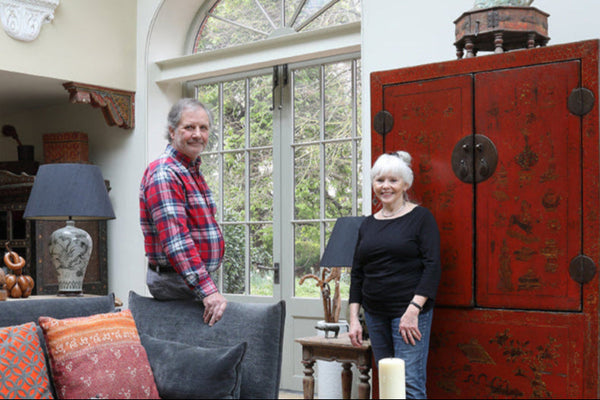
Curating beautiful collections of rare Asian Antiques since the mid 1970's.

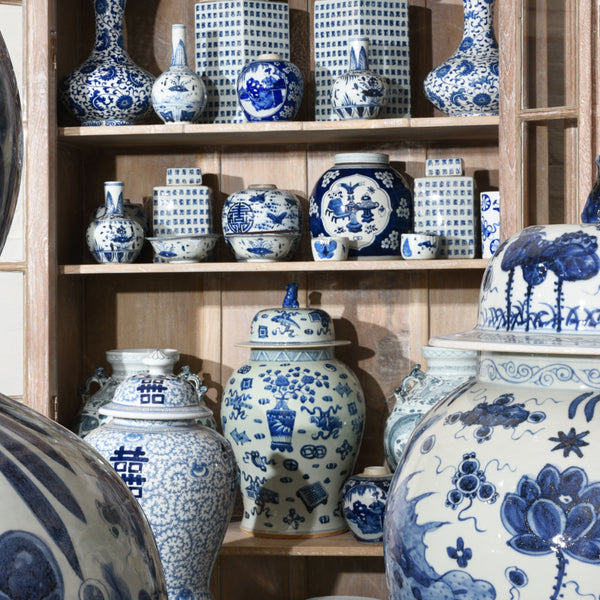
Get in touch with us today to set up a trade account.
