


Antique Japanese Kakesuzuri Funa Dansu From Sado Island | Indigo Antiques
Tachibana Kamon - Orange Blossom Detail From Antique Japanese Kakesuzuri Funa Dansu From Sado Island | Indigo Antiques
Angled View Of Antique Japanese Kakesuzuri Funa Dansu From Sado Island | Indigo Antiques
Interior Of Antique Japanese Kakesuzuri Funa Dansu From Sado Island | Indigo Antiques
Detail From Locking Plate Of Antique Japanese Kakesuzuri Funa Dansu From Sado Island | Indigo Antiques
Detail From Antique Japanese Kakesuzuri Funa Dansu From Sado Island | Indigo Antiques
Top Down View Of Antique Japanese Kakesuzuri Funa Dansu From Sado Island | Indigo Antiques
Detail From Antique Japanese Kakesuzuri Funa Dansu From Sado Island | Indigo Antiques
Handle Detail From Antique Japanese Kakesuzuri Funa Dansu From Sado Island | Indigo Antiques
Detail From Antique Japanese Kakesuzuri Funa Dansu From Sado Island | Indigo Antiques
Back Of Antique Japanese Kakesuzuri Funa Dansu From Sado Island | Indigo Antiques
Detail From Back Of Antique Japanese Kakesuzuri Funa Dansu From Sado Island | Indigo Antiques

Japanese Kakesuzuri Funa Dansu From Sado Island - Edo Period

SKU: M755 18th Century, from Sado Island, Japan

Dimensions:
W39 x D49 x H44 cm
Quality:
Every piece restored & checked in UK

Looking for something similar?Get in touch and we'll help you find the perfect piece.

This is a rare Japanese Edo period (1603 ­1868) funa dansu style chest. Specifically, it is the kakesuzuri type made in the juji-gata (cross face style) which originated in 1814. This style is sometimes called a 'ships chest' or 'sea chest' as they were used by sea captains for storing their private property. Funa dansu were strongboxes built to withstand a rigorous existence and would have carried business papers, money, seals and other personal effects. Sea chests are highly collectible pieces of Japanese history.

The main body of this kakesuzuri is made from keyaki (red elm) and is finished with fuki-urushi lacquer. The interior is constructed from kiri (paulownia) and This piece dates to the second quarter of the 19th century (circa 1830s) as red elm became more prominent slightly later. The chest is bound in iron with a brass kamon (clan emblem) of the Tachibana 橘氏 clan - a Mandarin Orange blossom / Tachibana citrus. 

The Tachibana clan was one of the four most powerful noble families in Japan until the family was scattered during the Fujiwara no Sumitomo uprising of 939 - 941 AD and much of their power diminished. 

The majority of sea chests were made in the town of Ogi on Sado Island, Niigata prefecture, a major port on the Sea of Japan trading route. 


References:

A similar example with an identical mon can be found in Traditional Japanese Chests by Kazuko Koizumi (Fig.42). 

Another similar example can be found in Traditional Japanese Furniture - A Definitive Guide by Kazuko Koizumi (Fig 32).

A near identical example can be found in the Victoria & Albert Museum in London. 


From Japan

UK Delivery Charge - except Highlands & Islands £40
More delivery options available at checkout

Free Delivery is for UK orders over £250. Use code DELIVERY at checkout

Please complete this required field.
Please enter a valid email address.
Please enter a valid phone number (digits only).
Please complete this required field.
Something went wrong — please try again or call us on +44 1672 564722.

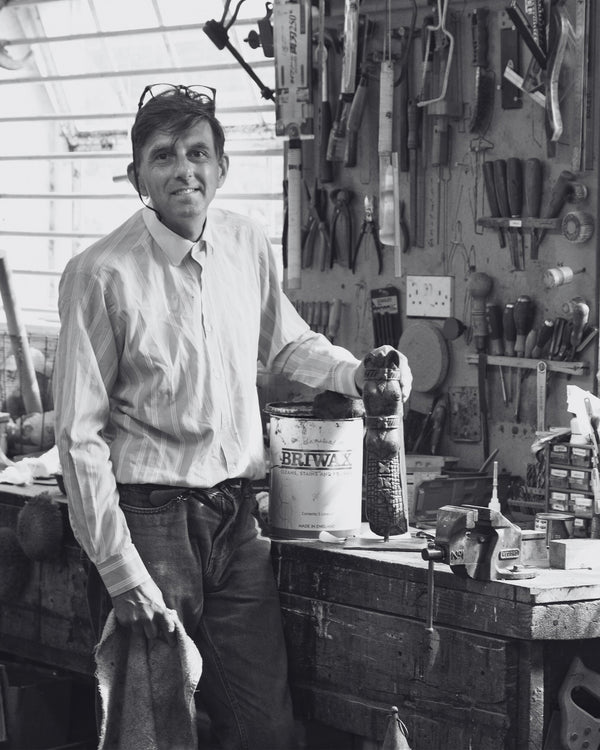
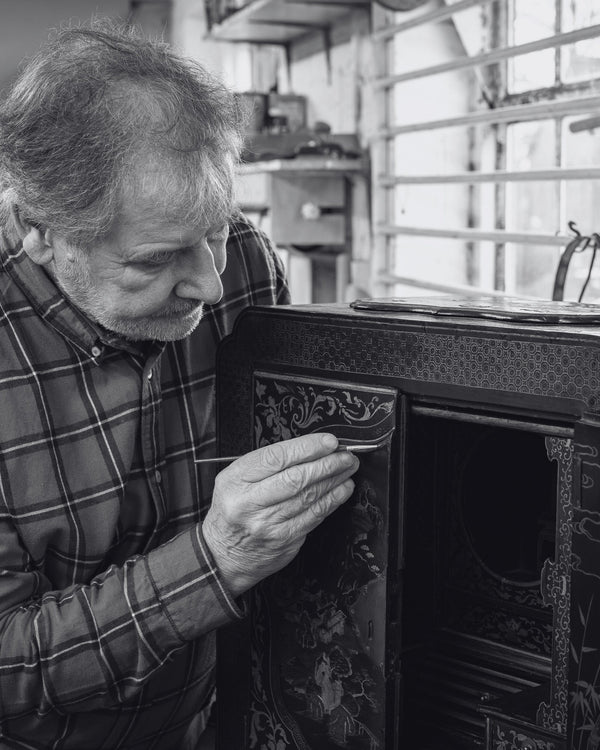
Restored in Our UK Workshop

Our expert restorers treat every piece with the respect it deserves.

Using traditional techniques and the highest quality mineral pigments, each piece leaves our workshop only after receiving the highest level of craftsmanship, precision and care.
Recently viewed

Curating beautiful collections of rare Asian Antiques since the mid 1970's.

Our story

Get in touch with us today to set up a trade account.

Trade Clients