


19th Century Carved Indian Wooden Seed Drill With Elephant And Parrot Motifs | Indigo Antiques
Carving Detail From 19th Century Carved Indian Wooden Seed Drill With Elephant And Parrot Motifs | Indigo Antiques
Angled VIew Of 19th Century Carved Indian Wooden Seed Drill With Elephant And Parrot Motifs | Indigo Antiques
Carving Detail From 19th Century Carved Indian Wooden Seed Drill With Elephant And Parrot Motifs | Indigo Antiques
Parrot Detail From 19th Century Carved Indian Wooden Seed Drill With Elephant And Parrot Motifs | Indigo Antiques
Top Down View Of 19th Century Carved Indian Wooden Seed Drill With Elephant And Parrot Motifs | Indigo Antiques
Bottom View Of 19th Century Carved Indian Wooden Seed Drill With Elephant And Parrot Motifs | Indigo Antiques

Teak Seed Drill From Madhya Pradesh - 19th Century

SKU: A03085V1 19th Century, from Madhya Pradesh, India

Sale price $144.00
/
Dimensions:
W26 x D16 x H22 cm
Quality:
Every piece restored & checked in UK
Shipping calculated at checkout.

  • Only 1 available – a unique piece
  • Backordered, shipping soon
Pay later with Learn more

This beautifully carved antique Indian seed drill, known in Gujarat as an orani (ઓરણી), is a striking example of rural craftsmanship elevated through decorative artistry. Dating to the 19th or early 20th century, it was originally used to sow seeds evenly across cultivated fields, drawn by oxen and guiding grain through its carved channels into the soil. Over generations of practical use, the hardwood has developed a rich, glossy patina, with softened edges and surface wear that speak to more than a century of agricultural life.

The carving is particularly characterful: one side depicts a stylised elephant — a symbol of strength, protection and prosperity — while the other features delicately carved parrots nestled amongst foliage, often associated with fertility and abundance. The upper turned bowl retains its strong circular form, while the base still shows the original seed outlets. This type of seed drill was traditionally found across Gujarat and Maharashtra, especially within Mer communities, and reflects the skill of Marathi craftsmen who brought beauty and symbolism to everyday tools.

Today, these historic implements make superb decorative objects — equally effective as sculptural centrepieces, candlestands or conversation pieces that celebrate India’s rich folk traditions.

  • Origin: Gujarat / Maharashtra, India
  • Date: 19th – Early 20th Century
  • Materials: Hand-carved hardwood
  • Features: Elephant carving to one side, parrot carvings to the other, original seed channels to base, turned upper bowl, naturally developed patina
  • Condition: Antique condition with age-related wear consistent with prolonged agricultural use; surface smoothing, historic cracking and minor losses commensurate with age
  • Dimensions: W26 x D16 x H22 cm

Reference:
A closely related example is illustrated in Folk Art & Culture of Gujarat: A Guide to the Collection of the Shreyas Folk Museum of Gujarat by Jyotindra Jain, figure 197.

Free Delivery is for UK orders over £250. Use code DELIVERY at checkout


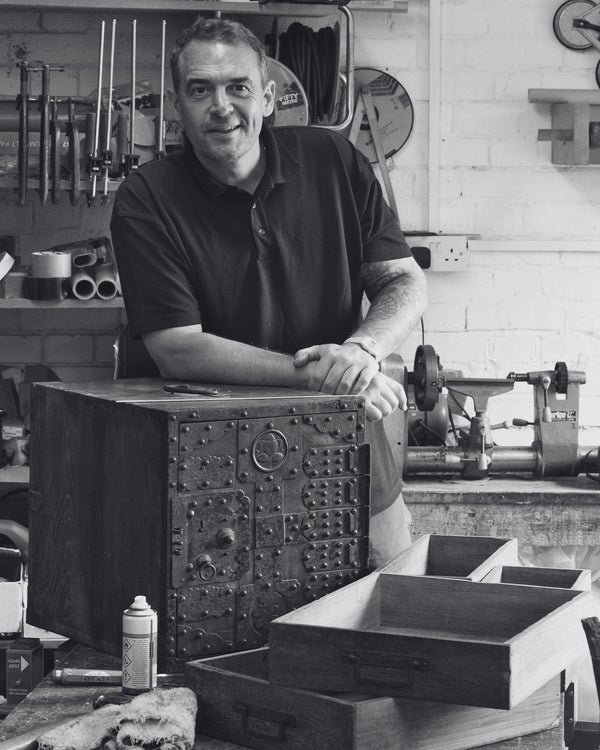
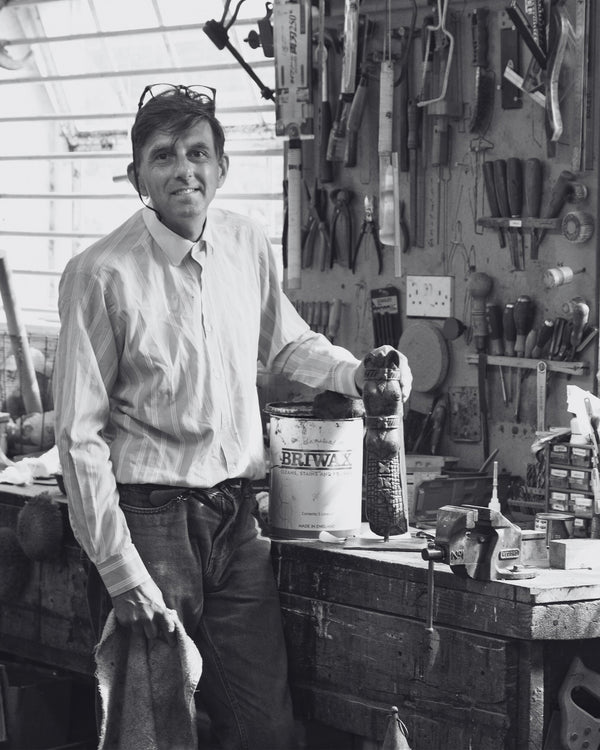
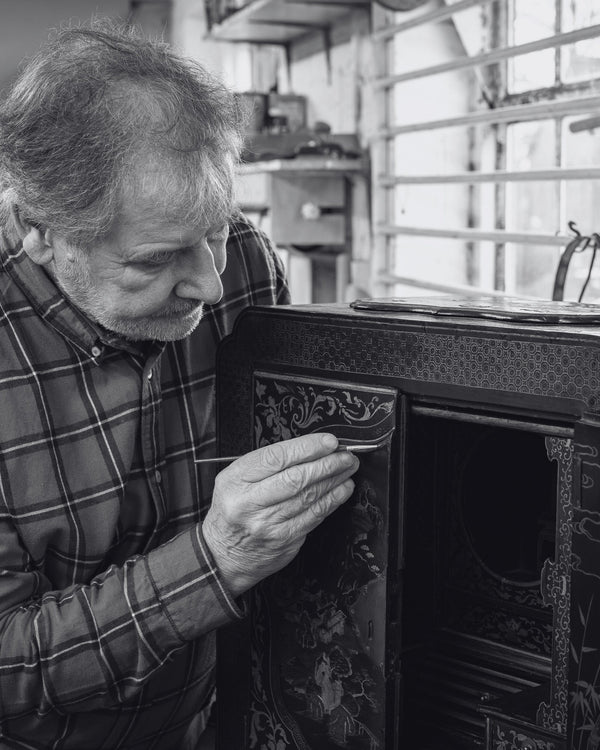
Restored in Our UK Workshop

Our expert restorers treat every piece with the respect it deserves.

Using traditional techniques and the highest quality mineral pigments, each piece leaves our workshop only after receiving the highest level of craftsmanship, precision and care.
Recently viewed

Curating beautiful collections of rare Asian Antiques since the mid 1970's.

Our story

Get in touch with us today to set up a trade account.

Trade Clients