


Original Bastar Bronze Elephant & Howdah  From Chhattisgarh | Indigo Antiques
Bastar Tribal Bronze Elephant With an Indian Interior paired with a Charles Rodwell painting | Indigo Antiques
Rider Detail From Brass Dhokra Work Jali Elephant & Riders From Orissa - 19thC | Indigo Antiques
Profile View Of Brass Dhokra Work Jali Elephant & Riders From Orissa - 19thC | Indigo Antiques
Reverse Of Brass Dhokra Work Jali Elephant & Riders From Orissa - 19thC | Indigo Antiques
Front View Of Brass Dhokra Work Jali Elephant & Riders From Orissa - 19thC | Indigo Antiques
Elephant Face Detail From Brass Dhokra Work Jali Elephant & Riders From Orissa - 19thC | Indigo Antiques
Angled Rider Detail From Brass Dhokra Work Jali Elephant & Riders From Orissa - 19thC | Indigo Antiques
Elephant Detail From Brass Dhokra Work Jali Elephant & Riders From Orissa - 19thC | Indigo Antiques

Bastar Danteshwari on an Elephant From Chhattisgarh - 19thC

SKU: A00568

Quality:
Every piece restored & checked in UK

Looking for something similar?Get in touch and we'll help you find the perfect piece.

This beautiful Indian bronze elephant figure is mounted with a howdah (an elephant carriage). Inside the howdah is the goddess Danteshwarim whilst the elephant is controlled by a mahout (elephant keeper). Dating to the 19th century and crafted in the Bastar tribal style. Danteshwari is a common form of the mother goddess and the primary deity of the royal house of the state of Bastar in Chhattisgarh. 


Bastar is famed for its beautiful sculptures & statues which are crafted by the Ghasia caste using the dhokra (dokhra or dokra) or lost wax (cire perdue) technique.  


Dokra also spelled Dhokra- is a brass or bronze casting made using the lost wax technique. The process is commonly known as 'Cire Perdue.' The object to be cast is sculpted from beeswax mixed with a little oil. Once finished the entire figure is coated with clay made from termite hills to create the mould. The mould is dried and fired in an oven with cow-dung cakes. The wax melts leaving an empty clay mould in the shape to be cast. The mould is then heated and molten brass or bronze is poured into the empty clay-mould. Once cool, the clay mould is broken exposing the cast bronze figure. The casting is then cleaned and finer details are carved to finish the piece.


A similar example can be found at the Smithsonian National Museum of Asian Art (Arthur M. Sackler Gallery collection)

Examples of similar works were featured at a special exhibition entitled, "Street Parade of the Gods" at the Museum Rietberg in Zurich in July 2012.


From India


Dimensions:

15.5 x 30  x 46  (wxdxh cms)

UK Delivery Charge - except Highlands & Islands £15
More delivery options available on checkout

Free Delivery is for UK orders over £250. Use code DELIVERY at checkout


Customer reviews

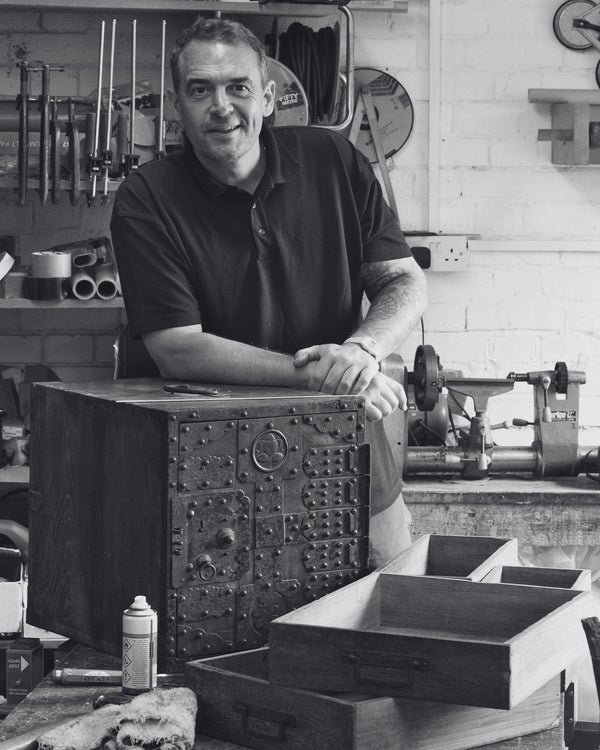
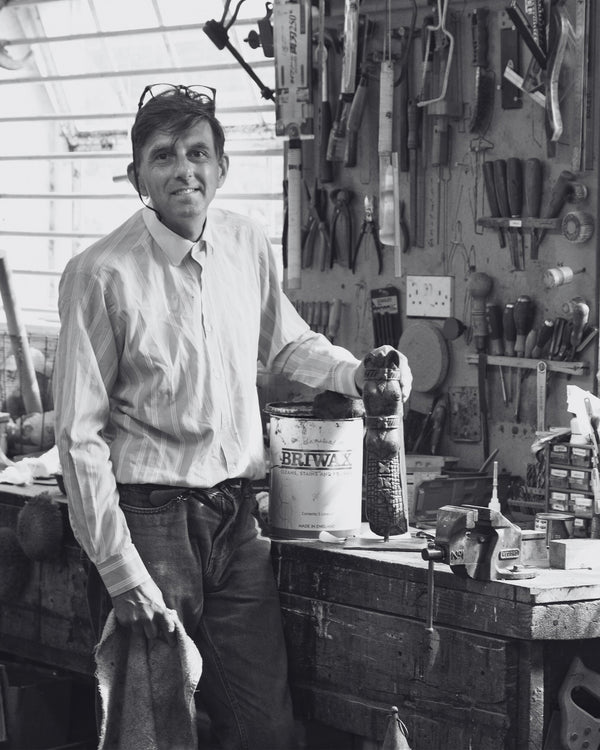
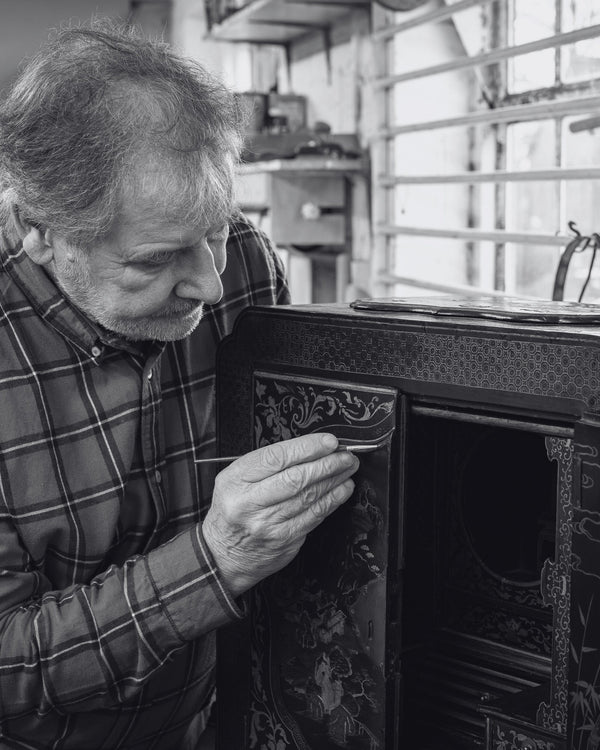
Restored in Our UK Workshop

Our expert restorers treat every piece with the respect it deserves.

Using traditional techniques and the highest quality mineral pigments, each piece leaves our workshop only after receiving the highest level of craftsmanship, precision and care.
Recently viewed

Curating beautiful collections of rare Asian Antiques since the mid 1970's.

Our story

Get in touch with us today to set up a trade account.

Trade Clients