


Thank you for your enquiry
We'll be in touch about the piece you're interested in within one working day.
Thank you for your enquiry
We'll be in touch within two working days about finding you a similar piece.






We'll be in touch about the piece you're interested in within one working day.
We'll be in touch within two working days about finding you a similar piece.
UK delivery. £40 (4-8 working days)
Smaller items are sent by insured courier to your ground floor. Furniture and larger pieces are delivered by insured courier and placed in your room of choice, up to the first floor. For more complex access, please let us know in advance.
Returns. It is rare our customers return a piece, but if you would like to, just contact us within 30 days of delivery. For UK returns we can arrange courier collection for you, with the return cost deducted from your refund. Items must come back in fully resaleable condition.
Indigo Antiques is a family business, founded in the mid-1970s by Richard and Marion Lightbown and now run with their son, Tom. For more than forty years we have travelled through India, China, Tibet, Mongolia and Japan, bringing home the pieces we fall in love with.
Every piece is hand-restored in our Wiltshire workshops, then shown in our 13,000 sq ft showroom and warehouse near Pewsey, a converted dairy barn with a history as rich as the antiques it holds. We are about an hour from London and always glad to welcome visitors.
What our customers say
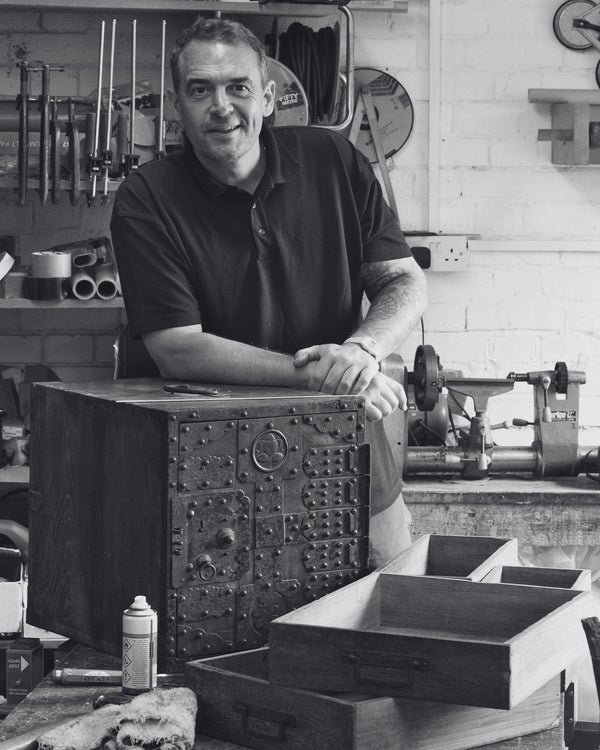
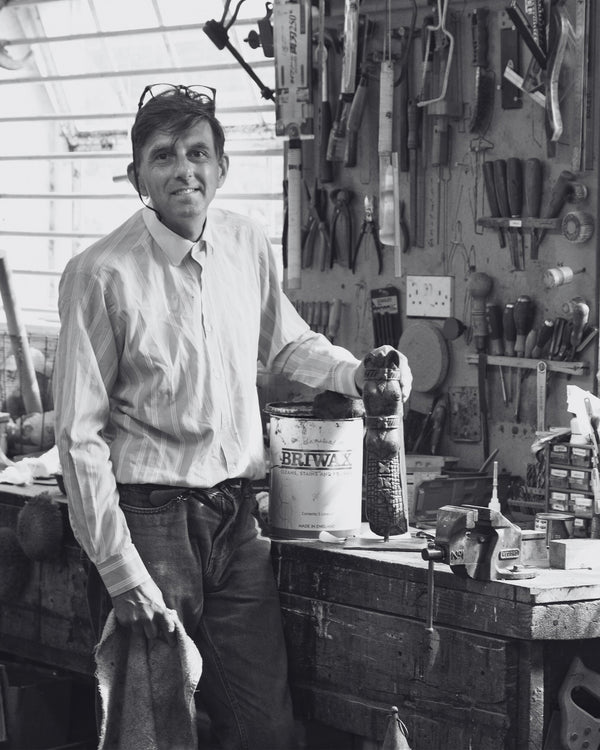
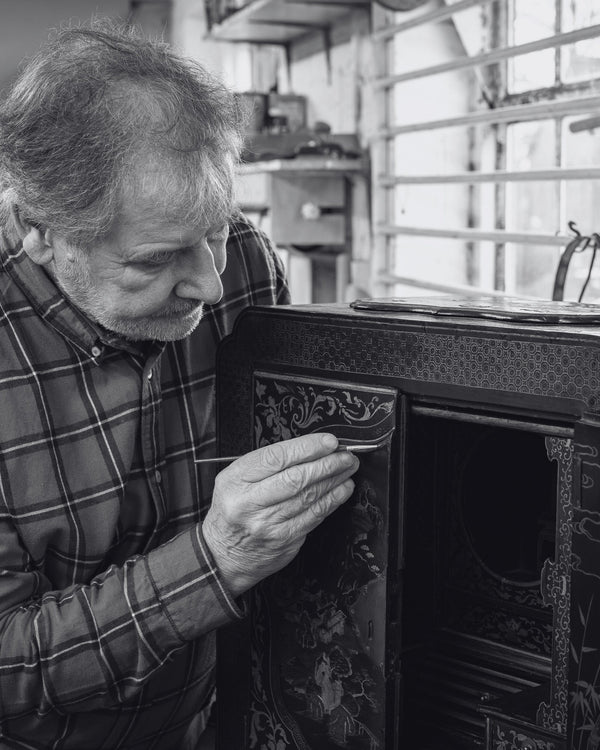
Our expert restorers treat every piece with the respect it deserves.
Using traditional techniques and the highest quality mineral pigments, each piece leaves our workshop only after receiving the highest level of craftsmanship, precision and care.
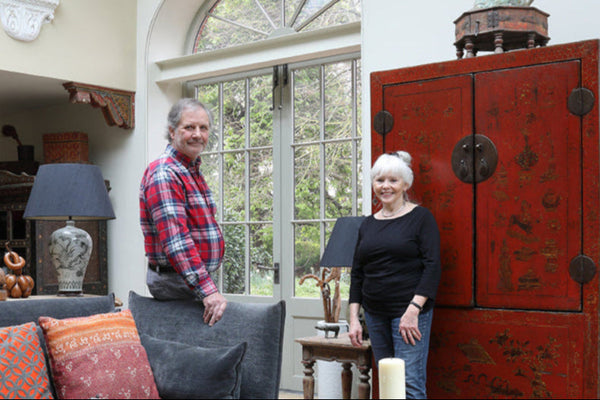
Curating beautiful collections of rare Asian Antiques since the mid 1970's.

Get in touch with us today to set up a trade account.

