




Broader conversations about overconsumption and more mindful living show an increasing appetite for sustainable interior design. Our homes are places where we can retreat and relax, but they can also reflect who we are and the values we want to uphold.
Sustainable design is all about focusing on quality over quantity and being more considerate of the impact your choices have on the environment. Modern rustic and warm minimalist looks align wonderfully with these aspects of sustainable design, but sustainability goes beyond simply achieving a particular aesthetic. Discover how to make more sustainable choices for your interior design.
Refresh Interiors Without Buying Anything New
When we feel the need for change, especially in our interiors, our first thought is often to spend money, whether this means doing a full design overhaul or buying new trinkets. But before you bring new items into your home and likely waste resources (both yours and the planet’s), think about how you can scratch that itch for something fresh and new with what you already have.
Rearrange your current furniture into new configurations or repurpose old pieces in new ways to create a different energy. Refurbishing or upcycling furniture is another great way to give your space a sense of reinvigoration. Or, swap out art and photos and rotate decorative items through different rooms – seeing your current pieces in a new light means you don’t have to rely on consumption to satisfy the need for something a little different.

Choose Second-Hand & Antique Furniture
Opting for second-hand, vintage and antique furniture is also a fantastic way to embrace this notion of not buying new, and therefore not using up more resources, all the time.
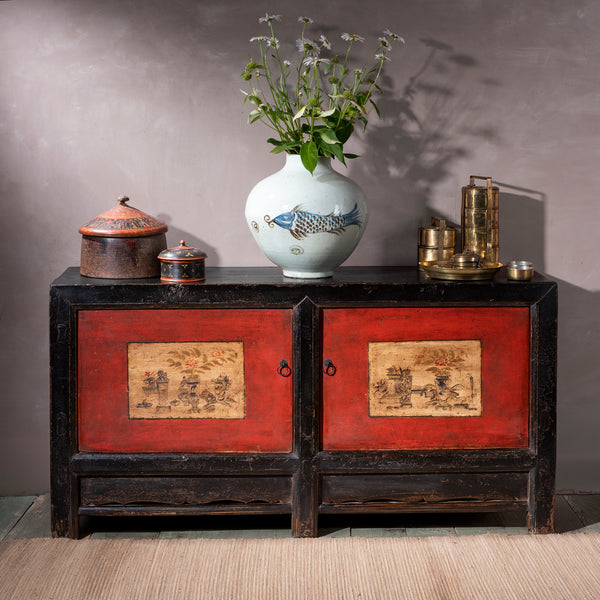
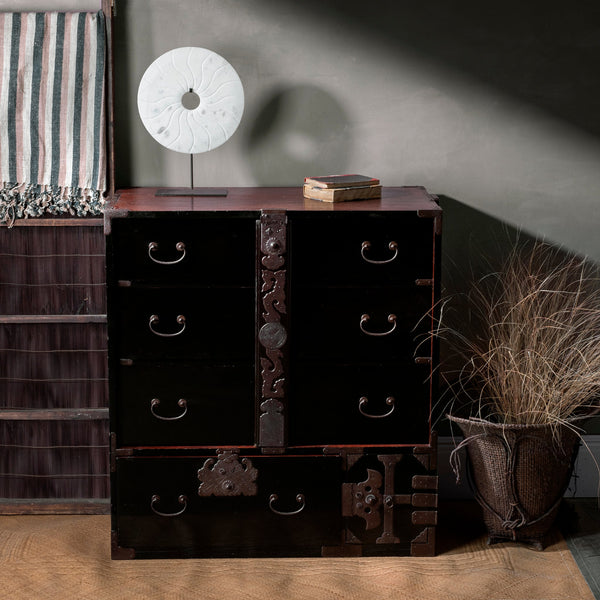
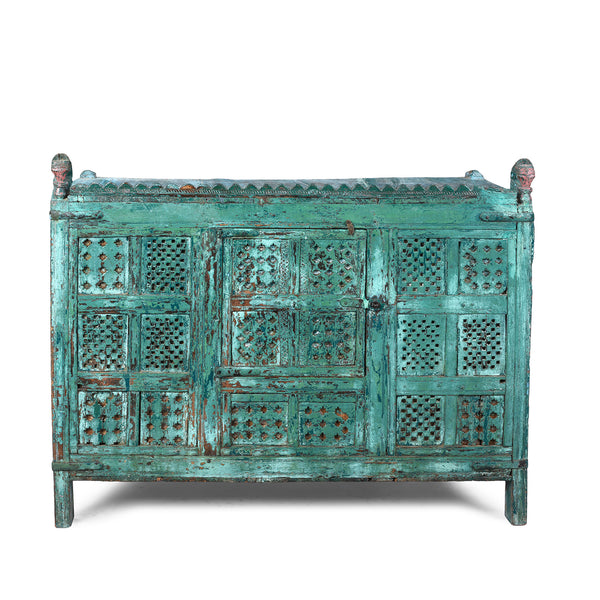
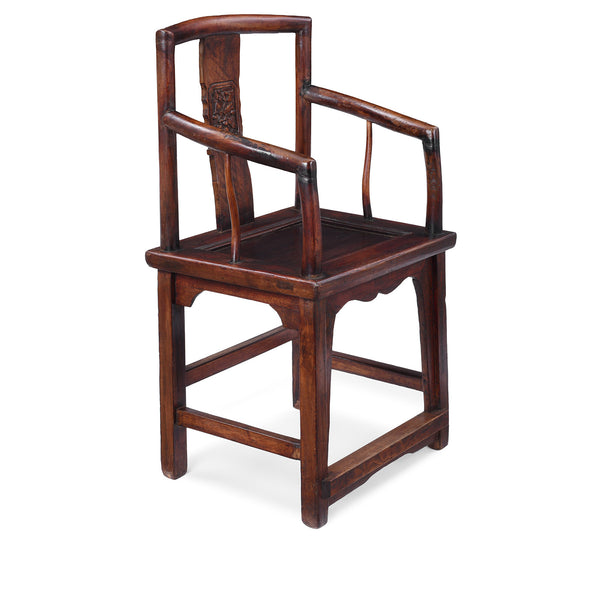
Antique furniture not only reduces the demand for new materials, but it can also bring a timeless elegance and sense of rich history to your interiors. Rather than being a begrudged second choice to modern, fast-fashion-style pieces, antique and vintage furniture is often the more desirable choice when it comes to aesthetics and longevity.
Things like antique coffee tables, chests, chairs and cabinets tell a story and infuse your space with character won over centuries – these are pieces that last lifetimes.

Prioritise Natural Materials
Being mindful of the kind of materials you bring into your home is essential. Synthetic materials like plastics and resins are common in low-quality furniture destined for landfill. FSC-certified woods and rapidly renewable materials like bamboo, rattan, wicker or jute are far more sustainable, not to mention they bring a more calming, inherently tranquil feel to your space.
As well as simply opting for more natural, sustainably produced pieces, you might also consider reclaimed wood furniture. This is furniture that has been made from aged materials – think old doors, beams and other architectural salvage – and repurposed into an entirely new piece.
This helps ensure good materials don’t go to waste just because their original purpose no longer serves, all while giving your interiors a stylish feature that tells a story.

Design For Energy Efficiency
Sustainable design also concerns itself with the everyday energy efficiency of your home. Simple ways to increase overall energy efficiency include making the most of natural light to reduce reliance on artificial lighting and using the right window treatments, like curtains, blinds or thermal lining, to help regulate indoor temperatures without artificial means.
Using more energy-efficient practices can help guide your design for a space that feels open and inviting while also helping you live a genuinely more sustainable life.

Embrace Biophilic Influences
Houseplants are the ultimate sustainable home accessory. Provided you take good care of them, plants give your interiors a source of unlimited life and vitality, infusing rooms with a freshness and vibrancy that is all natural.
Hanging plants, herbs on windowsills and traditional potted houseplants all make great decorative features, as well as helping boost well-being and increasing the quality of the general ambience. The other great thing about plants is that they grow and change, preventing your interiors from feeling stagnant or uninspiring.

Invest in Quality Craftsmanship
Something we’ve already mentioned is the need for quality over quantity. This means investing in pieces that are made to last. Quality craftsmanship can come with a heavier price tag, but paying a high initial cost is often more cost-effective in the long run, as you won’t have to make repeat purchases like you would with lower-quality, mass-produced pieces.
Another advantage of choosing antiques is that they’ve already proven their longevity by lasting centuries. These historical items are lovingly created with traditional handcrafted techniques that stand the test of time.

Here at Indigo Antiques, we’re proud to champion the enduring benefits of antique furniture and the potential for sustainability through longevity! If you would like to incorporate sustainable, long-lasting pieces into your home, see our extensive selection of Chinese, Japanese and Indian antiques.