




If you’re a fan of minimalism, functionality and organic aesthetics, Japandi interior design may be the style for you. A harmonious blend of Japanese and Scandinavian design, this look combines tranquillity and practicality to create refined, livable spaces that encourage you to romanticise the everyday and enjoy spaces that reflect who you are.
What is Japandi Style?
At its core, the Japandi design aesthetic is a fusion of Japanese and Scandi styles. The look takes elements of each, resulting in interiors that exude simplicity, serenity, warmth and an appreciation of the natural world.
It brings together key concepts of hygge and wabi sabi to create comfortable, relaxing interiors that invite you to slow down and enjoy the little things in life.
- Hygge: A Norwegian and Danish concept that celebrates feelings of cosiness, togetherness and an enjoyment of life’s simple pleasures.
- Wabi Sabi: A Japanese philosophy that celebrates impermanence and imperfection, finding beauty in that which is transient, flawed or part of life’s natural cycles.
Characteristics of Japandi in Interior Design
Japandi concepts and styles can manifest in several different ways when it comes to incorporating them into your interiors. Core characteristics of the look may include:
- Minimalist and clutter-free spaces.
- Natural materials.
- Clean lines and simple silhouettes.
- Natural light.
- Neutral, earthy and pale colour palettes.
- High-quality pieces and expert craftsmanship.

How to Decorate in the Japandi Style
If these concepts and design characteristics sound appealing to you, you’re in luck, because there are plenty of relatively simple ways to bring Japandi into your home.
Utilise Natural Materials
One of the simplest and most effective ways to achieve a Japandi aesthetic is by incorporating natural materials and letting them guide the rest of your interior scheme. Wood is an ideal place to begin; its warmth, texture and subtle grain variations beautifully reflect the principles of both hygge and wabi sabi.
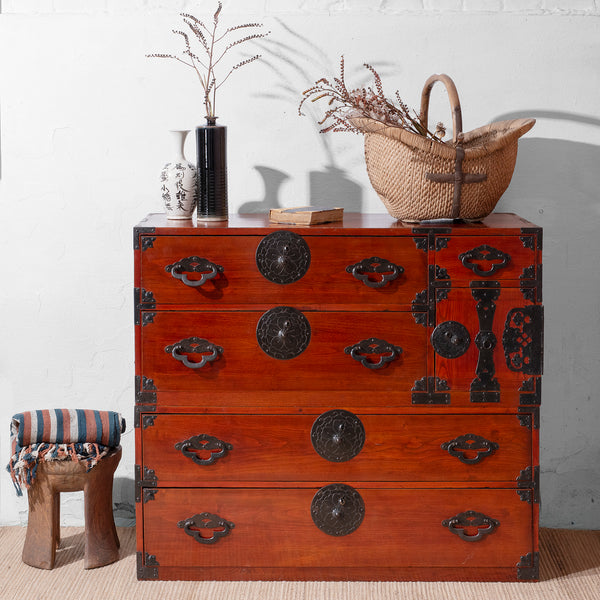
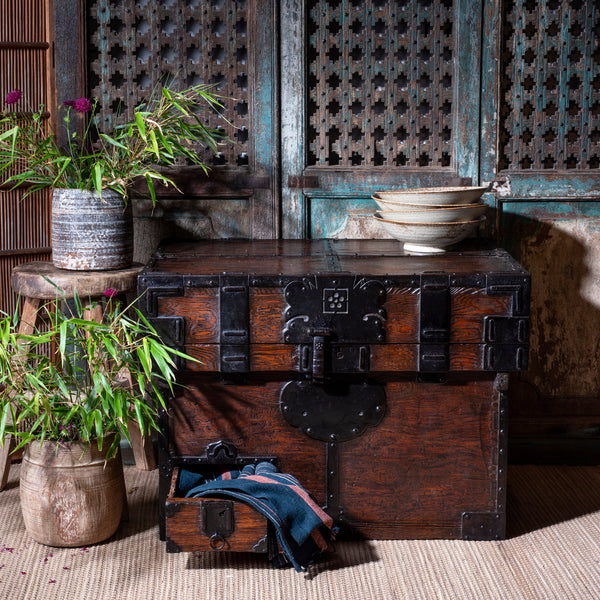
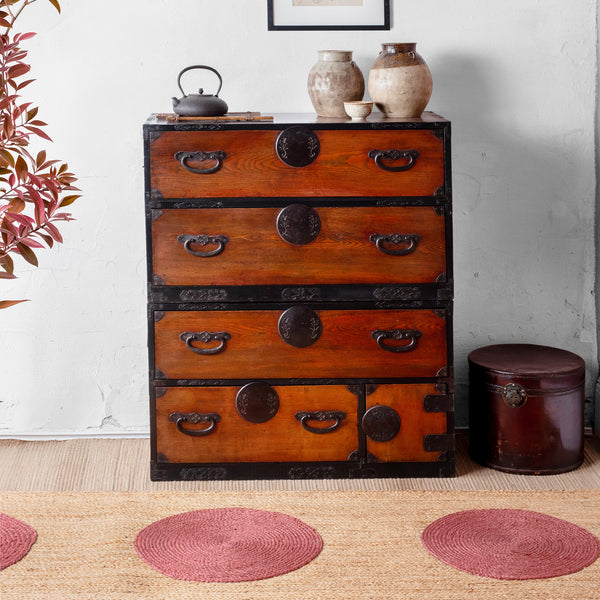
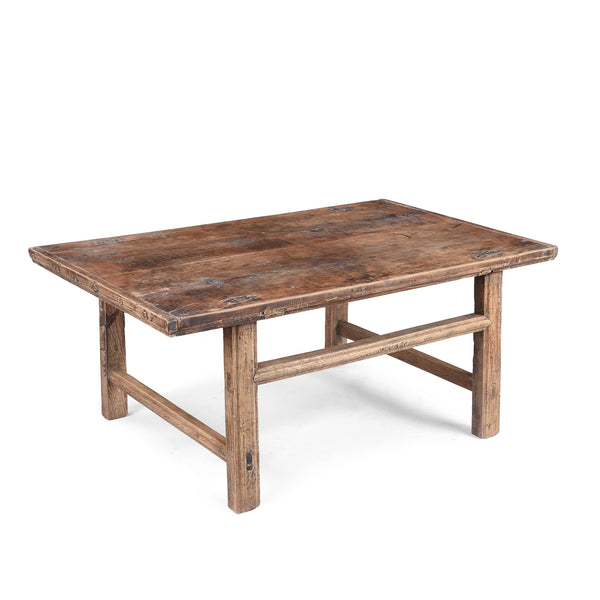
Antique or reclaimed wooden furniture is especially well-suited to this style. These pieces carry a sense of history and unique craftsmanship, adding character without compromising on functionality. Their time-worn surfaces introduce a gentle, lived-in quality that supports sustainable design while enhancing the calm, understated beauty at the heart of Japandi interiors.

Combine Textures
To evoke the cosiness of Scandi looks while retaining the refinement and simple elegance of Japanese aesthetics, utilise a combination of different luxurious textures. Think soft textiles like plush rugs, knitted throws, feathery dried grasses or boucle fabric chairs alongside smooth ceramics and sleek metal accents.
This approach lets you maintain a functional, minimalist look while adding subtle visual interest and a touch of personality.

Clear Away Clutter
Another core tenet of the Japandi design style is that less is more. Every item in a space should have a purpose, and anything that doesn’t serve you can be removed or thoughtfully relocated. By curating your belongings with intention, you create a home that feels calm, functional and visually harmonious.
Think about the principles of feng shui to maintain the flow of the room. Look for objects or arrangements that disrupt balance or block movement, and replace them with pieces that encourage openness, ease and a zen-like atmosphere.

Embrace a Japandi Colour Palette
Japandi tends to favour a simple, understated colour palette. Soft neutrals such as cream, beige, warm white and muted greys form the foundation of the look, creating a clean backdrop that highlights the beauty of natural materials and thoughtful details.
However, you don’t need to avoid colour entirely – consider choosing hues inspired by nature to maintain a sense of serenity. Earthy tones like mossy green, sky blue, terracotta and warm brown can add depth and character without overwhelming the space. Embrace these hints through accessories, art, textiles or sparing accents to preserve the sense of balance and tranquillity inherent to Japandi homes.

Make the Most of Natural Light
Lighting plays a crucial role in shaping the atmosphere of a room, and Japandi interiors thrive on natural light. Whenever possible, maximise daylight by keeping window dressings simple and allowing sunlight to flow freely through the space.
If natural light is limited, your colour palette becomes even more important. Pale, warm neutrals help reflect and diffuse light, making a room feel brighter and more open. You can also place mirrors strategically to more effectively bounce the available daylight around the space.

Incorporate Houseplants & Greenery
Strengthen your connection to the natural world by bringing the outdoors in through a variety of houseplants. This complements Japandi’s emphasis on organic materials and brings a sense of life, freshness and rejuvenation into your interiors.
The vibrant pops of green also offer a subtle, natural way to introduce colour without disrupting the calm, minimalist aesthetic. Whether you choose a single statement plant or a curated selection of smaller greenery, these accents help soften the space and enhance its tranquil atmosphere.

Prioritise Quality Pieces
In a fast-paced world of mass-produced, low-quality furniture, the Japandi look serves as a reminder to slow things down and reconsider what’s important. Instead of rushing out to buy every trending so-called Japandi piece, think about what works for your space and style.
Investing in high-quality pieces that last a lifetime not only enhances the beauty and timelessness of your home but also supports ideals around sustainability. By choosing previously-loved pieces, such as Japanese antique furniture, or durable items made from natural, responsibly sourced materials, you reduce waste and minimise the environmental impact of fast furniture trends.

Ultimately, Japandi design is all about simplicity, balance and mindful living. For more furniture and signature pieces that suit these concepts, shop our Indian and Chinese antique furniture collections, including stunning storage, seating and outdoor options.